
| Updated:
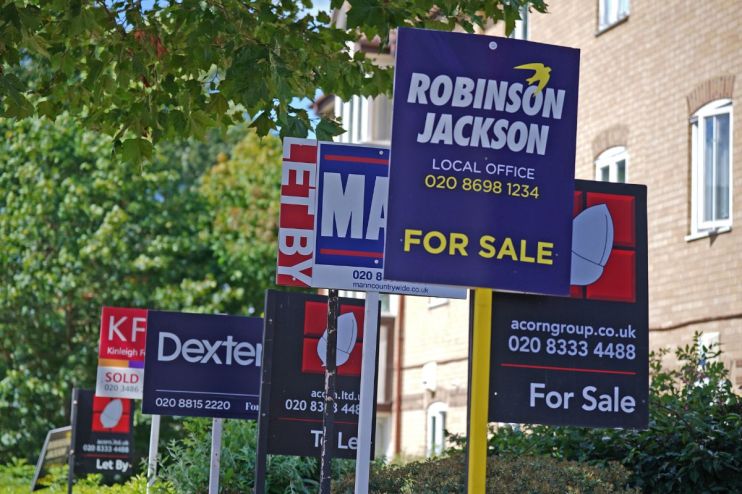
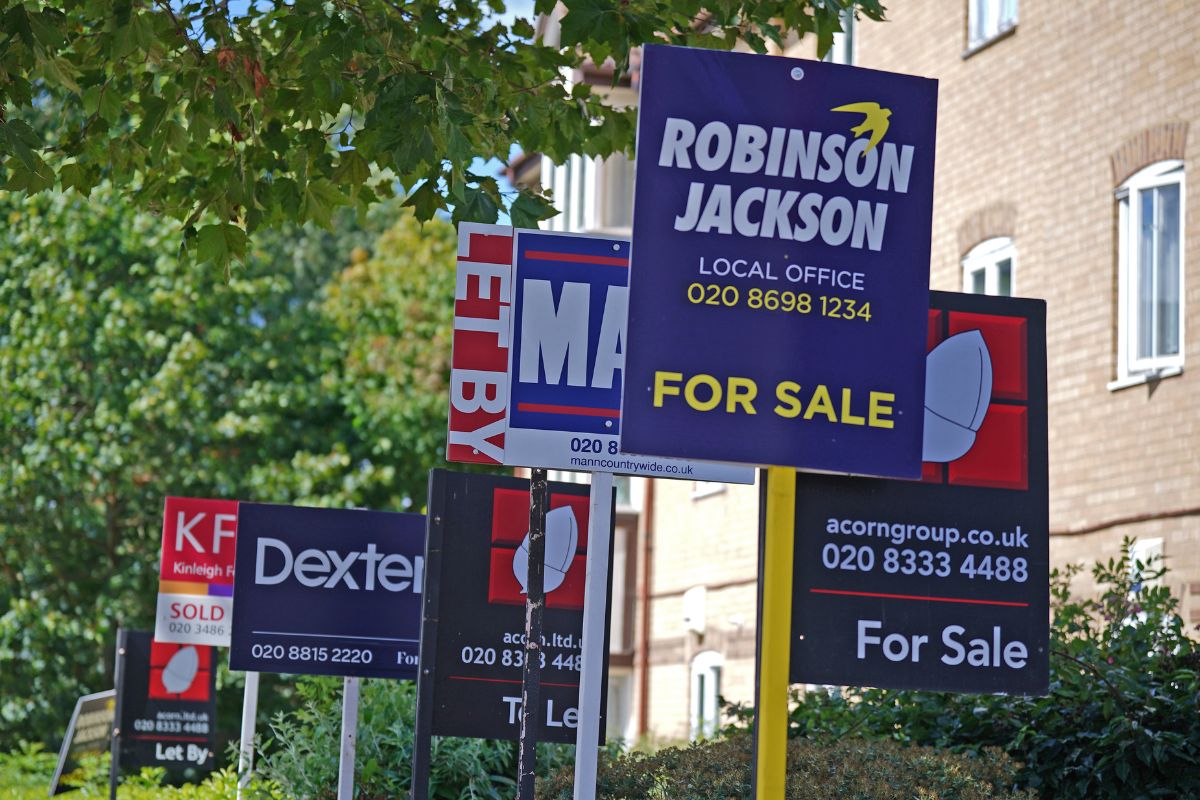
Real estate companies are going bust at the fastest rate seen in a decade, City AM can reveal, in a further sign that the UK’s property market is taking a battering.
As many as 762 real estate-related businesses have become insolvent in the UK since the start of the UK, a City AM analysis of company filings has found, a jump of more than 60 per cent compared to last year.
Housebuilders and construction firms have warned in recent months that they are suffering from a subdued property market, in which the Iran war is stifling consumer confidence and spiking building costs.
The more-than 700 property firms which have gone under so far this year include estate agents, landowners and real estate management companies.
This figure, obtained via the London Gazette registry of insolvencies, is nearly triple the 264 property firms which appointed administrators in the same period in 2017.
Real Estate UK, a leading trade body, said that property firms are often the “canary in the coal mine” because a jump in their insolvencies points towards an impending “economic downturn”.
Dominic Curran, the industry body’s head of communications, told City AM that a combination of high finance costs, economic and political uncertainty and a “sluggish” regulator means that construction “just isn’t viable in much of the country”.
Construction firm targeted by short-sellers
Last month, leading housebuilder Berkeley said it can “no longer invest” in London after its 867-home development in Peckham was blocked by a planning inspector.
In a further sign that the property industry is facing record pressures, FTSE 250-listed brickmaker Ibstock has become London’s most-shorted stock.
Nearly a quarter (24.9 per cent) of the firm’s shares are shorted, according to data gathered by S&P, as investors bet that conditions are set to become even more gloomy for housebuilders and the wider property market.
Curran said: “[There is] a perfect storm of anti-development conditions that requires a much bolder response from Ministers than we have seen to date. They have to lower the burden on development to homes built, people employed and the economy growing.
“We need a healthy and competitive real estate industry ready for when the upturn inevitably comes and we have the actual development capacity to deliver the homes and economic infrastructure the UK desperately needs.”
‘No surprise’ property firms going bust
Paul Rickard, chief executive of London-based property developer Pocket Living, said the accelerating rate of insolvencies in the real estate industry comes as “no surprise”.
“Not least given the significant headwinds that the industry is facing, especially within the housebuilding sector, on issues such as rising construction costs, the increased cost of finance, regulatory delays, and subdued demand impacting upon viability,” he told City AM.
Propertymark, the trade body for estate agents, said the rising number of property firms going bust is “concerning”.
But its chief executive, Nathan Emerson, said these figures “should be viewed in the context of wider economic pressures affecting businesses across many sectors”.
“Property firms continue to face rising operational costs, regulatory demands, and ongoing economic uncertainty” but the market has remained “relatively resilient”, he added.