
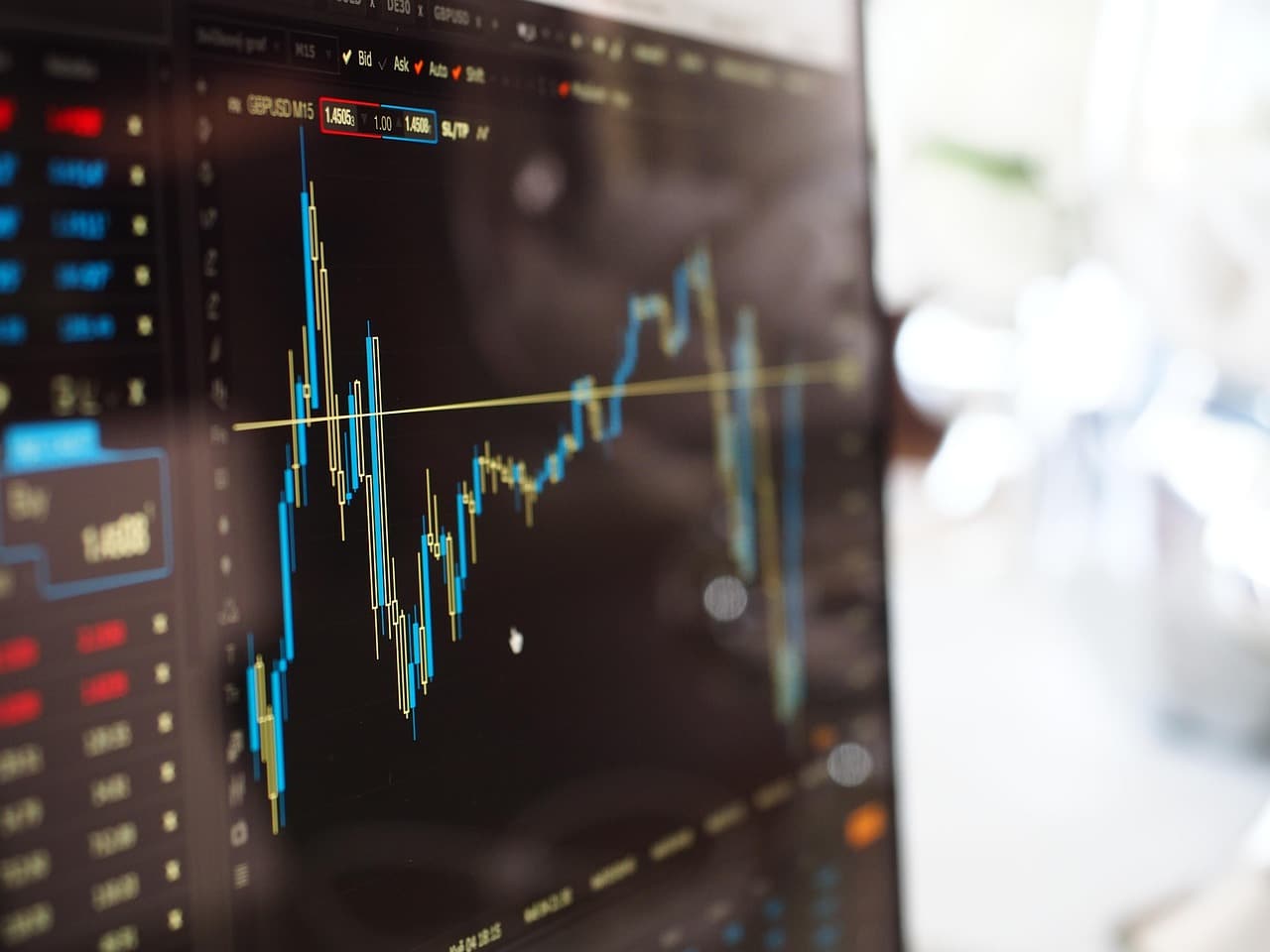
From big hedge funds to solo traders working from home, artificial intelligence (AI) is changing the way people trade currencies. Sure, it’s about chasing profits, but there’s a bigger story here too. As these automated systems take over, the real questions are about who gets in, who gets left out and how technology is reshaping fairness in global finance.
Forex trading has always been a heavyweight game. Every day, trillions of dollars zip through the world’s currency markets. Politics, economic news and world events send prices flying in one direction or another. For years, this was a club for the big players: Banks, hedge funds and financial giants who could afford huge teams of analysts and high-powered computers. But that’s changing fast.
AI is now a key player. These days, traders use AI to read the markets and make decisions at lightning speed. Bots, which are basically automated trading programmes, are now the brains behind a lot of modern currency strategies. They spot patterns, pick up on trends and fire off trades in a flash.
This isn’t just a tech upgrade. It’s a shift with real consequences, raising tough questions about who gets ahead and who falls behind as algorithms take the wheel in global finance.
Trading currencies in a world that never sits still
You can’t separate currency trading from the chaos of politics and world events. Every interest rate hike, election result or trade spat can send currencies soaring or crashing. Markets don’t wait around, one surprise policy shift and you’ll see wild moves in minutes.
In the past, only the big institutions could move fast enough. They had the money, people and machines to process news and act before everyone else. AI is changing that equation.
Now, smart systems read economic reports, scan headlines and crunch years of market data all at once. They pick up on patterns humans might never spot. That means traders, especially smaller ones, can react to market swings with speed and accuracy that just wasn’t possible ten years ago. For independent investors, AI is a real equaliser.
Precision strategies and the role of gold markets
Most people think of currency trading as battling it out between the euro and the dollar, but there’s more to the story. A lot of automated strategies actually target commodities that move alongside global currencies. One example: A service with an AI bot for currency trading that zeroes in on gold markets, developing expert advisors and trading systems for the H4 timeframe (a favourite with technical traders).
Take gold. It’s not just a shiny metal, it’s a classic safe haven whenever things get shaky in the world. Political drama, economic uncertainty, you name it, people run to gold. Because gold and currency markets are so intertwined, a bunch of trading strategies use both.
By focusing on these precision strategies and using the latest tech, these systems look to boost efficiency and help traders make sense of the wild swings that often hit gold-linked currencies.
Meet the bots, the new faces of trading
AI trading bots do one thing really well: They watch the markets and make trades based on rules set ahead of time. Sure, they run on algorithms and data, but today’s bots are smarter than ever. Many use machine learning, so they’re always tweaking their game plan as the market shifts.
They don’t just follow the same old rules. The best bots track things like price momentum, volatility, economic signals and technical chart patterns, all in real time.
What used to take a team of analysts hours now happens in seconds. For anyone trading in these wild, unpredictable markets, that kind of speed isn’t just nice to have. It’s a game-changer.
Democratising tools once reserved for institutions
Something pretty remarkable is happening in the world of automated trading; tools that used to be locked away in the hands of big banks and hedge funds are now showing up on platforms anyone can use. For a long time, only massive financial institutions had the muscle and know-how to run these algorithmic trading systems. They could build complicated models, keep them running and tweak them as needed.
But that’s changed. Now, tech companies and independent developers are rolling out automated trading platforms for the rest of us. Regular traders can get their hands on technology that once felt out of reach.
Of course, this shift isn’t all smooth sailing. Some people say it’s a win for financial inclusion, more people get a shot at opportunities that used to be off-limits. Others argue it still favours folks who really understand the algorithms and how they work. So, the playing field isn’t completely level yet.
Ethical questions around algorithmic finance
The more that AI shapes financial markets, the harder it gets to dodge the big ethical questions. Sure, automated systems react to market signals in a flash, way faster than humans ever could. But when a bunch of algorithms jump on the same signal at once, things can get messy. We’ve already seen sudden price swings that make regulators nervous.
Then there’s the question of who takes the blame when things go sideways. If an AI system causes massive losses, is it the developer’s fault? The trader’s? Or the institutions that set up the whole market in the first place?
All of this ties into bigger conversations about technology, power and fairness. As more financial decisions get automated, it’s easier for those decisions to become a black box, hard for regulators or the public to see what’s really going on.