
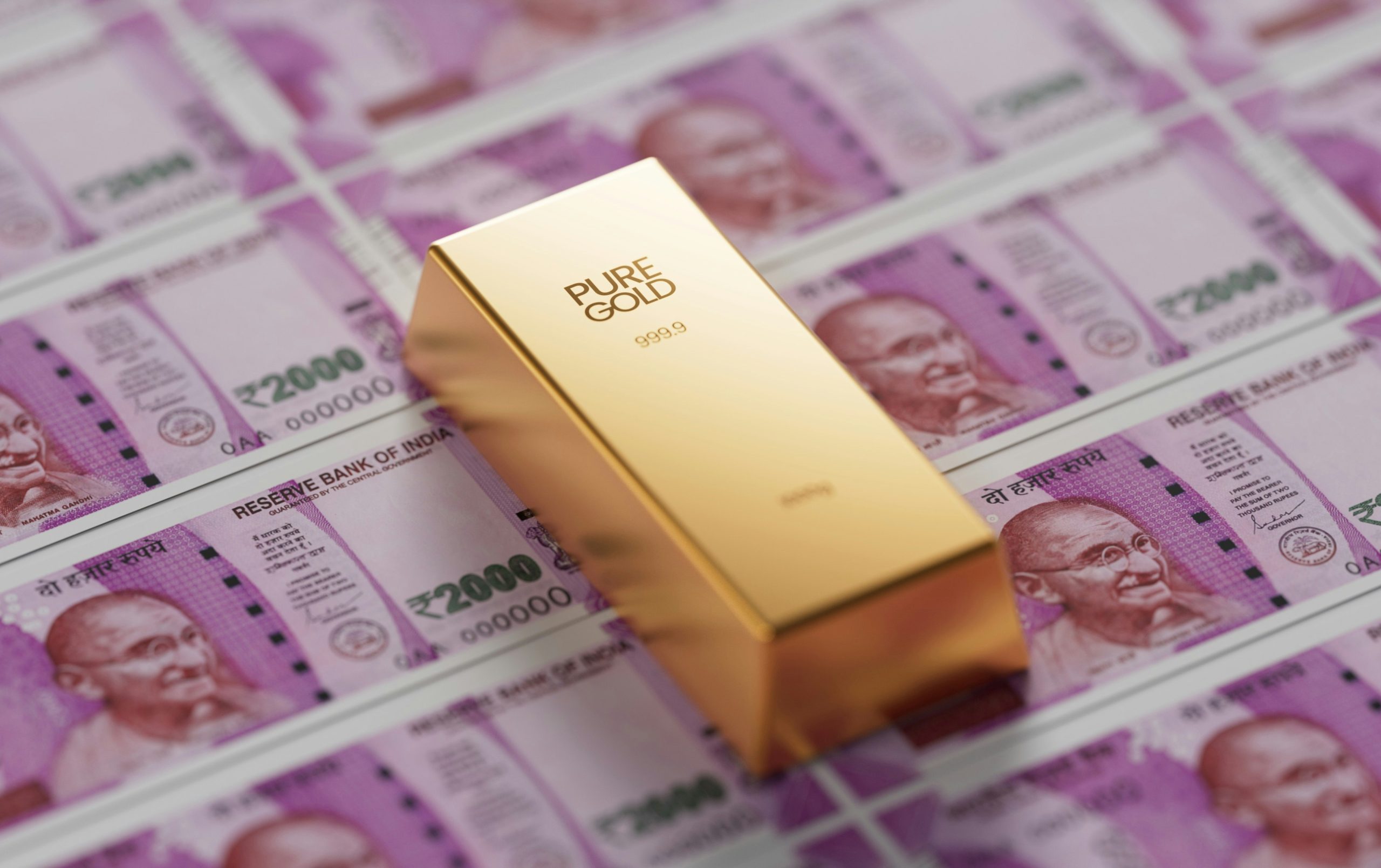
Gold has returned to the center of investor attention as inflation pressures, policy uncertainty, and uneven global growth continue to shape financial markets. For generations, gold has been viewed as a defensive asset, but today’s gold market is being driven by more than its traditional safe-haven status. Investors are watching not only inflation data and recession fears, but also interest rate expectations, central bank activity, currency volatility, and changing consumer demand across major economies. These factors are creating a more complex and dynamic environment for gold than many investors expected.
In times of economic uncertainty, gold often becomes a symbol of stability. Still, its price movements are not driven solely by fear. Gold responds to a combination of financial, political, and behavioral trends that can strengthen or weaken demand in different ways. As inflation remains a concern and confidence in the broader economy shifts from month to month, the gold market is showing several emerging trends that investors need to understand. Looking closely at these developments can help explain why gold remains relevant and how its role may continue evolving in the current environment.
Inflation remains one of the most important forces supporting interest in gold. When consumer prices rise and the purchasing power of money declines, investors often look for assets that can help preserve value over time. Gold has historically benefited from this kind of environment because it is widely seen as a store of wealth that is less vulnerable to the erosion caused by persistent inflation. As households and institutions alike become more cautious about the long-term impact of higher prices, gold continues to attract attention as a practical hedge.
At the same time, inflation is influencing the gold market in more nuanced ways than in the past. Investors are no longer reacting only to headline inflation numbers. They are also paying close attention to whether inflation appears temporary, sticky, or likely to accelerate again. This shift matters because it affects how markets interpret future policy decisions. When inflation seems harder to control, gold often receives stronger support. When inflation shows signs of cooling, the market may become more selective, rewarding gold only when broader economic risks remain elevated.
One of the clearest trends in the gold market is the growing influence of interest rate expectations. Because gold does not pay interest or dividends, it often becomes less attractive when yields on bonds and other fixed-income assets rise. Investors compare the opportunity cost of holding gold with the income they could earn elsewhere, so central bank policy can directly affect gold prices. In an environment where rate decisions dominate market sentiment, gold can move sharply even before actual policy changes occur.
This trend has made gold more sensitive to economic reports and central bank statements. Inflation releases, labor market data, and policy speeches can all reshape expectations for future interest rates, which then affects gold almost immediately. Investors are not simply reacting to where rates are today. They are trying to anticipate where they will be months from now. As a result, the gold market has become more reactive to forward-looking signals, making it important for investors to watch monetary policy expectations as closely as inflation itself.
Another major trend is the growing importance of central bank gold purchases. In recent years, central banks in several countries have increased their gold reserves as part of broader diversification strategies. This reflects a desire to hold assets outside the direct influence of any one currency or political system. In a world marked by geopolitical tension, trade fragmentation, and shifting alliances, gold offers reserve managers a form of financial security that appears increasingly valuable.
This central bank demand is significant because it provides structural support to the gold market. Unlike short-term speculative buying, reserve accumulation tends to be driven by long-range financial planning. That means it can help create a more stable foundation for gold prices even during periods when retail investors or institutional funds become less active. For market participants, this is an important development because it suggests that gold demand is being reinforced not just by fear or inflation, but by strategic policy decisions at the national level.
Gold has always been associated with periods of economic stress, but current conditions are expanding its appeal to a wider group of investors. Concerns about a recession, banking-sector weakness, slow growth, and policy mistakes have prompted more people to reconsider gold’s role in a portfolio. Investors who may once have viewed gold as a niche hedge are now treating it as a more mainstream defensive holding, especially when traditional asset classes appear vulnerable to simultaneous pressure.
This broader appeal is also being supported by uncertainty about what kind of economy lies ahead. Some investors worry about prolonged inflation, while others fear disinflation combined with weaker growth. In either case, confidence in a smooth economic path has weakened. Gold benefits from that uncertainty because it does not depend on corporate earnings, consumer spending, or credit expansion in the same way other assets do. As uncertainty spreads across more parts of the economy, gold’s relevance continues to grow.
The relationship between gold and the U.S. dollar remains one of the most important trends investors should watch. Since gold is priced globally in dollars, the strength or weakness of the dollar can significantly affect gold demand and price performance. A strong dollar generally puts pressure on gold by making it more expensive for international buyers. A weaker dollar often has the opposite effect, helping gold become more attractive across global markets.
What makes this relationship especially important right now is that the dollar itself is being shaped by the same uncertainties affecting gold. Interest rate expectations, economic growth concerns, and investor demand for safety all influence dollar strength. This means gold investors must now think in terms of overlapping macroeconomic forces rather than isolated indicators. When the dollar softens amid inflation concerns or weaker policy confidence, gold may gain fresh momentum. When the dollar strengthens due to rate expectations or risk aversion, gold may face a more complicated path.