
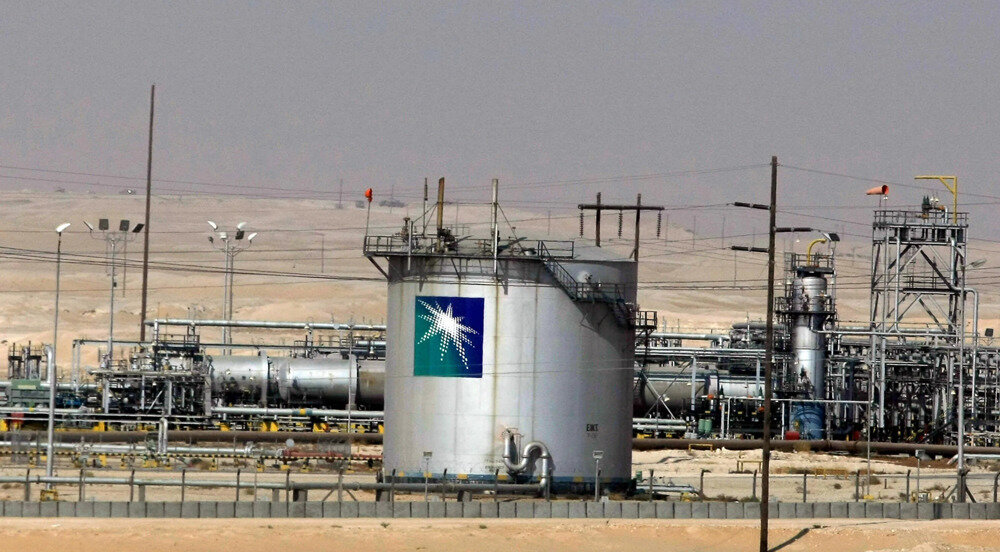
Hizam al-Assad, a member of Ansarullah’s political bureau, made the warning in a post published on the social media platform X on Saturday morning.
“The Saudi regime bears responsibility for the environmental consequences resulting from the burning of oil wells, transmission lines, tankers, refineries, oil exporting ports, stations and petrochemical plants, and everything that the local population will suffer from the intense blaze and [thick black] plumes of smoke,” Assad wrote.
He added that Yemenis, with God’s grace, will reclaim their rights, break the tight siege imposed on their homeland, and avenge the pure blood of martyrs and broken hearts that have endured much suffering during the 11 years of aggression and blockade.
Tensions flared on Monday when Saudi Arabia struck Sana’a International Airport to prevent an Iranian aircraft from landing in the Yemeni capital.
The aircraft was carrying an Ansarullah delegation that had traveled to Tehran for the farewell and funeral ceremonies of martyred Leader of the Islamic Revolution Ayatollah Seyyed Ali Khamenei.
The plane was diverted after the Sana’a airport was bombed, and landed safely in the strategic port city of Hudaydah.
Saudi Arabia and its Arab allies launched the blockade on Yemen as part of a full-scale war on March 26, 2015, with military, political, and logistical support from the United States and other Western states.
The war has killed tens of thousands of Yemenis, while consistently falling short of its main objective of restoring power to Yemen’s former Riyadh-friendly regime.
Following a fragile UN-brokered ceasefire in 2022, the United States, Britain, and the Israeli regime carried out numerous acts of aggression against Yemen to cripple Sana’a’s capability to stage solidarity strikes against Israeli targets in response to Tel Aviv’s war of genocide on the Gaza Strip.
MNA/PressTV