
Whether one agreed with Gov. Phil Murphy’s energy agenda or not, there was never much doubt about what he hoped to accomplish. He wanted New Jersey to become a national leader in renewable energy, electrify transportation and home heating and cooling, and transition the state away from fossil fuels.
One can disagree with those objectives, but Murphy deserves credit for stating them plainly.
Where his administration went wrong was not in setting ambitious goals. It was in believing that government could successfully direct the state’s energy marketplace to achieve them.
New Jersey is not a socialist economy in which government owns or controls the industries that produce our goods and services. It is a market economy. Government’s role is to establish reasonable rules, protect the public interest and create conditions in which private enterprise can innovate and compete.
Rather than working collaboratively with utilities, power producers, engineers and market participants to determine the most practical path forward, the Murphy administration relied heavily on mandates, regulations and deadlines.
New Jersey is not a socialist economy … It is a market economy. Government’s role is to establish reasonable rules, protect the public interest and create conditions in which private enterprise can innovate and compete.
The Energy Master Plan, first issued in 2019 and updated in 2025, reflected that philosophy. It envisioned an economy powered primarily by electricity generated from low- and zero-carbon sources.
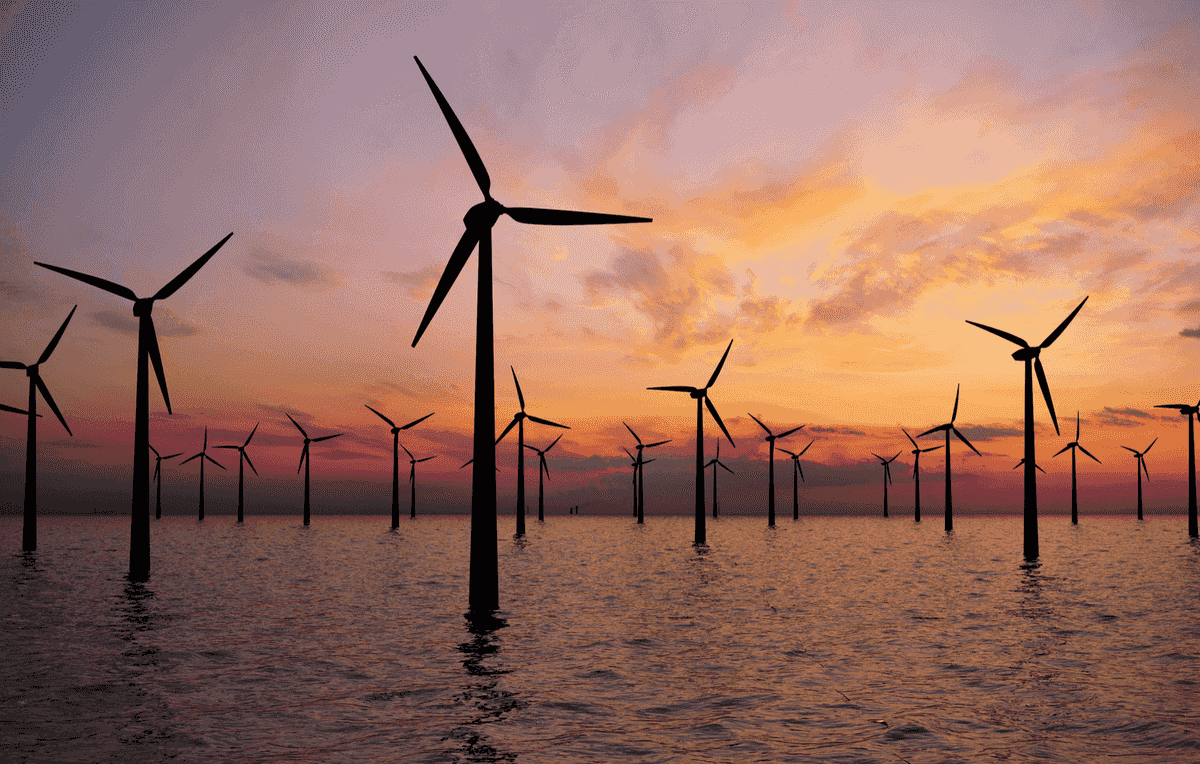
As that vision unfolded, however, circumstances changed. Offshore wind projects encountered mounting resistance. Then the rapid expansion of artificial intelligence and the power-hungry data centers supporting it dramatically increased projected electricity demand. Prices paid in regional electricity capacity auctions soared, raising concerns about whether New Jersey could maintain both reliable electric service and affordable prices while pursuing an accelerated energy transition.