
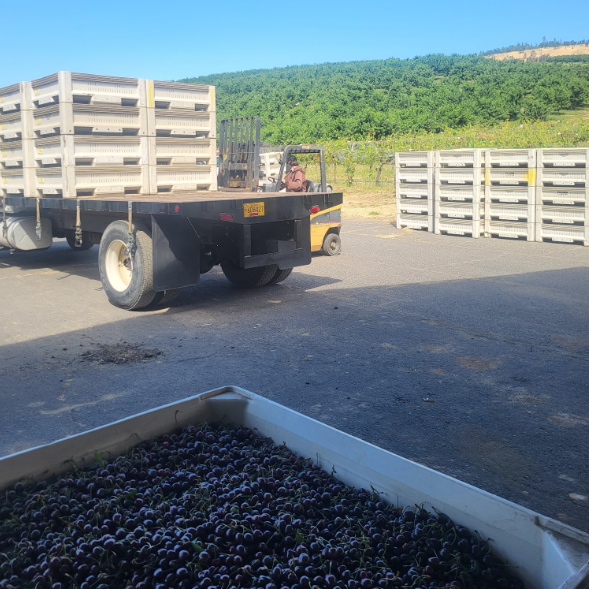
The harvest taking place today represents far more than fruit.
It represents employment.
It represents local commerce.
It represents schools, churches, civic organizations, and rural communities.
It represents generations of expertise passed from one season to the next.
As this article is being written, crews are still harvesting, packing facilities are still operating, and orders continue to be filled.
The orchards remain beautiful.
But appearance alone does not ensure economic sustainability.
The challenge facing the Northwest cherry industry is no longer whether it can produce exceptional fruit.
It can.
The challenge is whether the economics of producing that fruit will enable the next generation to remain in the industry.
That may be the most important harvest question of all.